
Waiting for the “perfect time” to start orthodontic treatment? You are not alone. One of the first questions patients ask Dr. John Kittleson at Kittleson Orthodontics is, “How long will this take?” The answer depends on a few different factors, but with modern treatments and advanced technology, getting the smile you want might take less time than you think. Let’s break down what determines treatment length and what you can do to keep things on track.
What Determines Your Treatment Time?
No two smiles are the same, which means orthodontic treatment timelines can vary. Some people are in and out of braces or aligners in a year, while others need a little more time to reach their goals. Dr. John Kittleson creates customized plans based on several factors that influence how long treatment will take.
The Complexity of Your Case
Small adjustments, like minor spacing or mild crowding, often take less time to correct. More involved cases, such as bite realignment or severe tooth movement, require additional time and precision.
Your Age
Younger patients typically see faster results because their jawbones are still developing, making tooth movement more efficient. Adults may require a little extra time, but advancements in orthodontic technology make treatment just as effective at any stage of life. Our orthodontics for all ages page covers what actually changes between a twelve year old and a forty year old.
The Type of Treatment You Choose
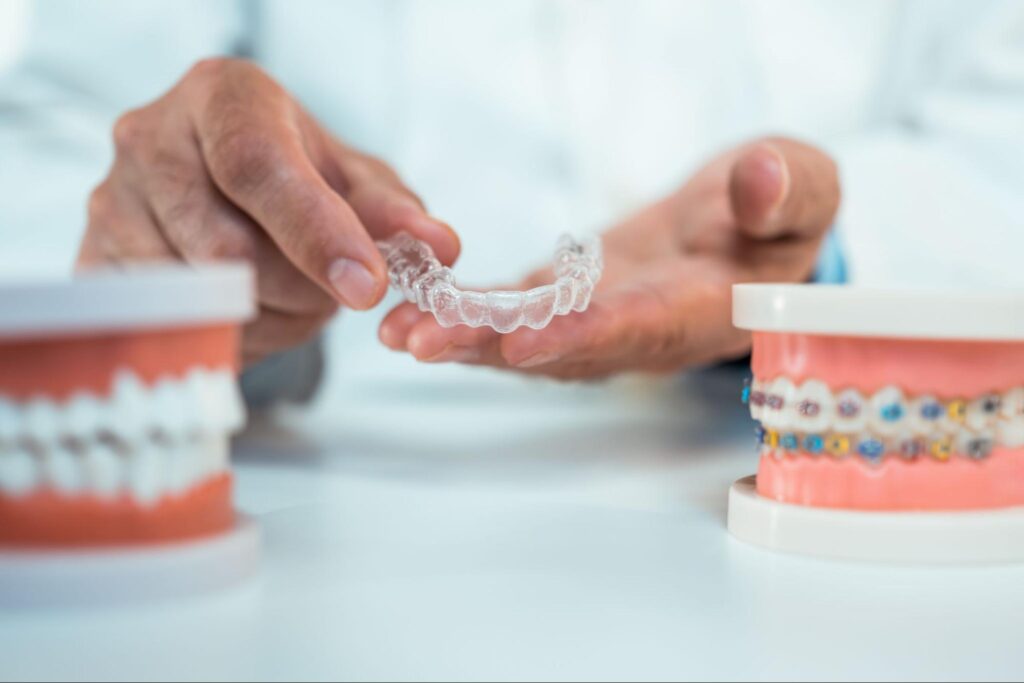
Metal braces, ceramic braces, and clear aligners all work at different speeds. Some methods apply continuous pressure, while others rely on patient compliance. We compare the two most common paths in braces versus Invisalign.
How Well You Follow Instructions
Sticking to the plan makes all the difference. Wearing aligners for the required hours, attending scheduled adjustments, and maintaining good oral hygiene help keep treatment on track, or even shorten it.
How Long Do Different Treatments Take?
Not all orthodontic treatments work at the same pace. Some options move teeth more quickly, while others take a bit longer but provide more flexibility. Dr. John Kittleson offers several choices, and the right one for you will depend on your goals, lifestyle, and how much correction is needed.
- Metal Braces: the classic choice. Metal braces typically take 18 to 24 months, though some patients finish in as little as a year. They are highly effective for complex cases and work around the clock.
- Ceramic Braces: these work like metal braces but blend in more with your teeth. Treatment time is usually similar, though clear ceramic braces may need slightly longer because the material is more delicate.
- Clear Aligners (Invisalign and SureSmile): these removable trays shift teeth over time and are a popular choice for adults. Treatment generally lasts 12 to 18 months, and minor cases may finish in as little as six. That shorter range partly reflects the kinds of cases aligners are used for, and it assumes the trays are actually being worn. Clear aligner treatment in Mequon starts with a digital scan and a plan built around your specific movements.
- Early Orthodontic Treatment: some children benefit from Phase 1 treatment, which lasts 6 to 12 months and helps create space for incoming adult teeth. If needed, a second phase in their teens may follow.
How to Stay on Track and Finish Sooner
Once treatment begins, the timeline is not set in stone. Your habits and commitment make a real difference in how quickly you reach the finish line. Dr. John Kittleson and the team help patients in Mequon keep treatment moving smoothly, but there are a few things you can do to stay on schedule, or even finish ahead of it.
- Wear aligners as directed. If you are using Invisalign or SureSmile, wearing your trays 20 to 22 hours a day is non-negotiable. The more consistent you are, the better and faster the results.
- Keep your appointments. Skipping or delaying check-ups sets you back. Regular visits let adjustments happen on time, which keeps progress steady.
- Watch your diet. Braces and certain foods do not mix. Hard, sticky, or chewy foods break brackets and wires, which means extra visits and treatment delays.
- Take care of your teeth. Poor oral hygiene causes cavities and gum inflammation, both of which slow treatment down. Brushing and flossing daily is the simplest way to keep things moving.
- Use rubber bands as instructed. If your treatment includes elastics, wearing them as prescribed is what keeps the bite correction on schedule.
Can You Speed Up Orthodontic Treatment?
Patience pays off in orthodontics, but plenty of patients want to know whether anything genuinely shortens the timeline. There is no shortcut that skips the biology. Teeth move at the speed bone remodels, and that pace is not something a device overrides.
What does make a real difference is smaller and less exciting than most people hope.
- Accurate planning up front. Digital scanning and carefully sequenced movements avoid the detours that add months to a case. Most wasted time in treatment comes from correcting something that was not planned well to begin with.
- Wear time. This is the big one for aligner patients. Trays only work while they are in your mouth, and hours missed are hours added at the end.
- Avoiding breakages. Every broken bracket means an unplanned visit and lost progress. Following the food guidance is not fussiness, it is time in your pocket.
- Showing up. A missed appointment does not pause treatment, it stalls it. The wire keeps doing what it was doing until someone changes it.
Some factors are simply out of your control, but sticking to your plan is the closest thing to an accelerator there is.

Treatment Timeline Questions We Hear in Mequon
How long do braces take on average?
Most cases run 18 to 24 months, though straightforward crowding or spacing can finish in about a year. The number that matters is the one for your teeth, and you will get that at a consultation rather than from an average.
Do clear aligners work faster than braces?
Often, but not because the trays move teeth more quickly. Aligners tend to be used on simpler cases, which finish faster either way. Where wear time slips, an aligner case can easily run longer than braces would have.
Does treatment take longer for adults?
Sometimes a little, since adult bone remodels more slowly and there is no growth to work with. The difference is usually months rather than years, and it does not change how good the result can be.
What makes treatment take longer than planned?
Missed wear time, broken brackets, and skipped appointments, in roughly that order. Occasionally a tooth simply does not track the way the plan expected, which is normal and gets adjusted for.
What happens when treatment ends?
Retention begins. Teeth drift back without a retainer, so the appliances come off and a retainer goes in. Following the retainer instructions is what protects the result you just spent two years getting.
Timing Is Everything, and So Is Your Smile
Good things take time, and a great smile is no exception. Whether your treatment lasts six months or two years, every step brings you closer to a healthier, more confident grin. Dr. John Kittleson and the team are here to make the process smooth, efficient, and even enjoyable.
The best time to start is now. Schedule a free consultation at our Mequon office and let’s get the countdown to your new smile started.